


A roof can stay up well for years, survive heavy rain, and show no obvious signs of trouble. Then an HVAC unit gets replaced, a plumbing vent is added, or a technician installs new equipment, and overnight water begins appearing on a ceiling below.
The timing may seem coincidental, specially if the roof is a little older. But sometimes the problem builds up with a change made by someone who was never hired to work on the roof itself.
For property owners seeking roof repair, this is a detail worth investigating. Roofing troubles do not always happen with worn materials or severe weather. They can develop when another building system is installed, moved, or repaired without accounting for how the roof was originally designed to keep water out.
When Work on One System Creates a Roofing Problem
Rooftop equipment rarely sits in isolation. HVAC systems need supports and service access. Plumbing systems use vents through the roof. Electrical installations may involve conduits, anchors, or cable penetrations. Each change can ruin the roof’s waterproof surface.
Consider an air conditioning unit that requires a new mounting frame. Installing the frame may involve drilling or fastening components through the roofing membrane. If the penetration is not properly integrated with the roof’s waterproofing, water can gradually find its way inside.
The same issue can arise when a plumbing vent is replaced or a new conduit is routed through an existing roof. Even if the opening looks sealed from above, the surrounding flashing or membrane may not be connected correctly.
Sometimes the damage is less direct. Equipment can obstruct a drain, alter the path water takes across the roof, or create a low spot where water collects. The original roof may have handled rainfall adequately before the modification, but the changed conditions can expose a weakness.
Why the Leak May Appear Somewhere Else
One of the most amusing parts of diagnosing a roof leak is that the visible damage does not always reveal where the water entered.
Water can travel beneath roofing materials, follow structural components, or move along the underside of a roof deck before reaching a ceiling. A stain near a bedroom wall, for example, may originate from a penetration several feet away. In a multi-story Bronx building, the route can be even harder to trace because the water may cross many concealed surfaces.
This is why the timing of a leak matters, but it should not be treated as proof on its own. A leak that turns up after rooftop work may be connected to that work, or the installation may simply have coincided with an existing weakness.
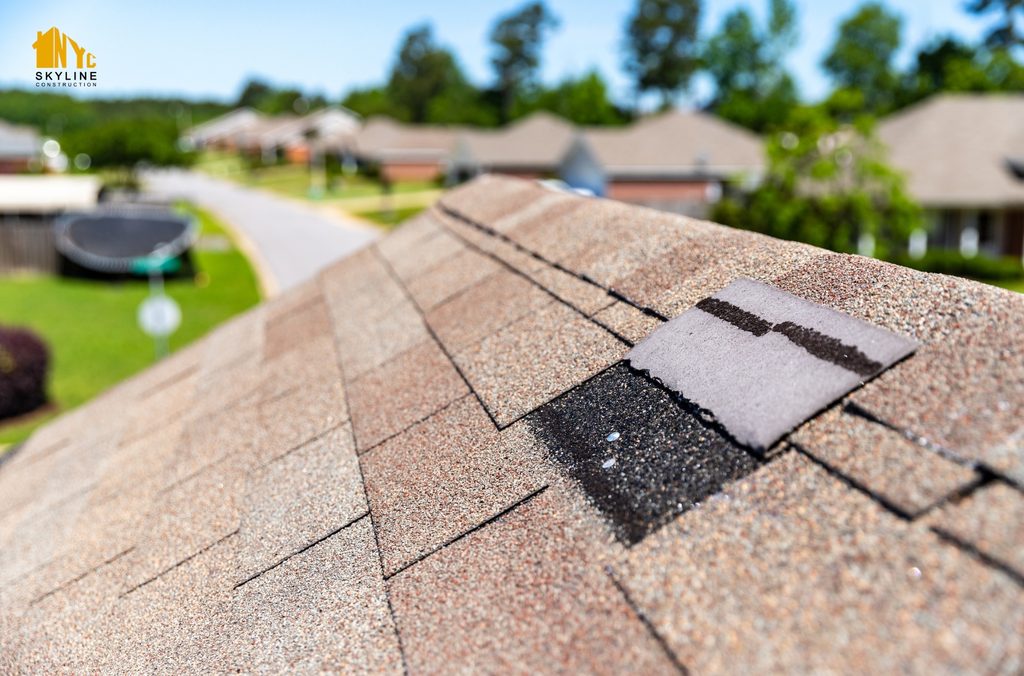
A useful investigation looks at both possibilities. The contractor should examine the area that was changed, the surrounding flashing and membrane, nearby drains, and any older repairs. If the source is not immediately apparent, water testing or further inspection may be needed to distinguish the actual entry point from the place where the damage becomes visible.
Patching the ceiling or sealing the first visible crack can leave the real problem untouched.
The Overlooked Risk of Multiple Contractors on One Roof
Many buildings have several trades working on the same rooftop over the course of their lives. A roofing company may install the membrane, an HVAC contractor may swap equipment years later, and a plumber may return to modify a vent. Each contractor can complete a specific task while the overall condition of the roof receives little attention.
That reveals a gap in responsibility. The HVAC contractor may focus on getting the equipment running. The plumber may concentrate on the pipe connection. The roofing system, however, still has to manage every penetration, fastening point, change in elevation, and route for drainage.
The risk is particularly relevant in older Bronx properties, where previous alterations may be difficult to identify and access can be limited. A roof can contain many generations of repairs, equipment supports, and abandoned penetrations beneath or around newer installations.
When arranging roof repair in Bronx, property owners should gather any available records of recent rooftop work. Photographs taken before and after an installation, invoices, and notes about when the first leak appeared can help narrow the investigation. They may also help clarify which contractor should assess the damaged area.
NYC Skyline Construction and the Problem of Disconnected Work
A building does not experience its systems as separate contracts. Water follows the physical structure, irrespective of whether the opening that lets it in was created by a roofer, plumber, electrician, or mechanical contractor.
That is where the broader perspective of a general contractor in Bronx becomes valuable. The issue is not simply whether each trade completed its assigned task. It is whether the changes made to one part of the building have consequences for another.
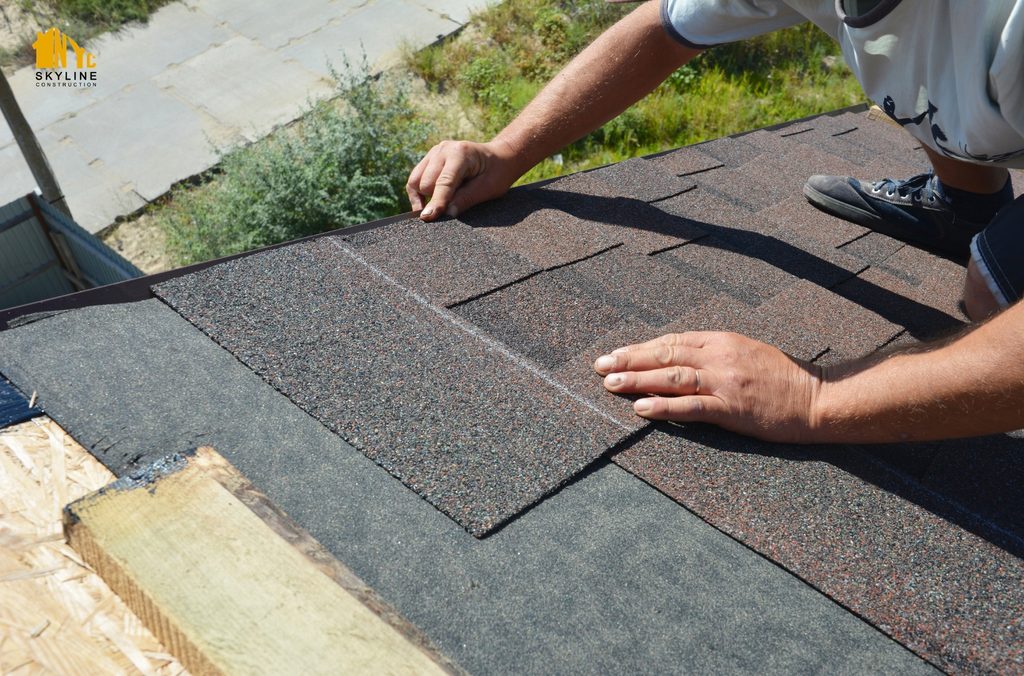
NYC Skyline Construction approaches this kind of building problem through that wider lens. A new piece of rooftop equipment may seem to be a straightforward mechanical upgrade, but its supports, service clearances, penetrations, and relationship to drainage can all affect the surrounding roof. Looking at those connections helps frame the issue as a building-wide issue rather than an isolated repair.
This perspective matters when the source of a leak is disputed or several modifications have occurred over time. Instead of assuming the oldest material is automatically responsible, the investigation can focus on what changed, what was disturbed, and how the current conditions differ from the roof’s original arrangement.
The caveat can save property owners from paying for repeated patches that address the symptoms without resolving the cause.
Before the Next Repair, Find Out What Changed
When a roof begins leaking shortly after equipment installation or other building work, the next step should be a careful inspection rather than an automatic assumption that the entire roof has reached the end of its life.
Document the timeline, identify the areas impacted by recent work, and have the roof assessed for damaged membranes, compromised flashing, blocked drainage, and poorly sealed penetrations. If several contractors have worked on the property, their records may help establish what was modified and when.
Sometimes the right solution is a localized repair. In other cases, the inspection may reveal broader deterioration that needs attention. The important split is between a roof that has simply aged and one whose performance has been affected by a change elsewhere in the building.
Professional Bronx roof repair starts with that distinction. A leak is evidence that water has found a path inside. Finding out what created that path is what helps prevent the same problem from returning.