


Why the role of a contractor in New York is no longer just about construction.
What’s changing in the role of a NYC contractor?
Not long ago, acquiring a NYC contractor was straightforward. You brought them in to build, renovate, or repair, and that was largely the extent of the relationship.
Today, that expectation has adjusted.
A modern construction contractor clients rely on is no longer just executing work on-site. They are coordinating timelines, managing approvals, navigating regulations, and increasingly acting as the central point of communication between architects, engineers, suppliers, and clients.
In many ways, contractors are stepping into a role that looks a lot like project management, but with far greater accountability.
Why is this shift happening now?
The answer lies in how complex construction in NYC has become.
Every project, whether residential or commercial, involves layers of approvals, compliance requirements, and logistical challenges. Even a relatively straightforward renovation in the Bronx can require careful coordination between different stakeholders.
Instead of hiring separate professionals for each function, many property owners now expect their contractor to oversee the complete process. It’s not just about ratio, it’s about reducing confusion.
When one team takes ownership of both execution and coordination, projects are expected to move with more clarity and fewer gaps.
Are clients expecting more than just construction work?
Yes—and the expectations are rising quickly.
Clients today don’t just want results; they want predictable outcomes. They want to know how long a project will take, what risks might arise, and how those risks will be handled before they become problems.
This has pushed contractors to expand their responsibilities into areas like:
- Pre-construction planning and budgeting
- Scheduling and timeline management
- Coordination with architects and consultants
- Handling permits and inspections
While these tasks were once interpreted as separate roles, they are now becoming part of the standard service contenting, specially for experienced contractors working in competitive markets like NYC.
Does this apply to both residential and commercial projects?
It does, but the impact is even more visible in commercial work.
A commercial contractor projects in Bronx, oftentimes deals with tighter deadlines, stricter compliance requirements, and higher financial stakes. Delays can affect business operations, leases, and revenue, which means there’s little room for miscommunication.
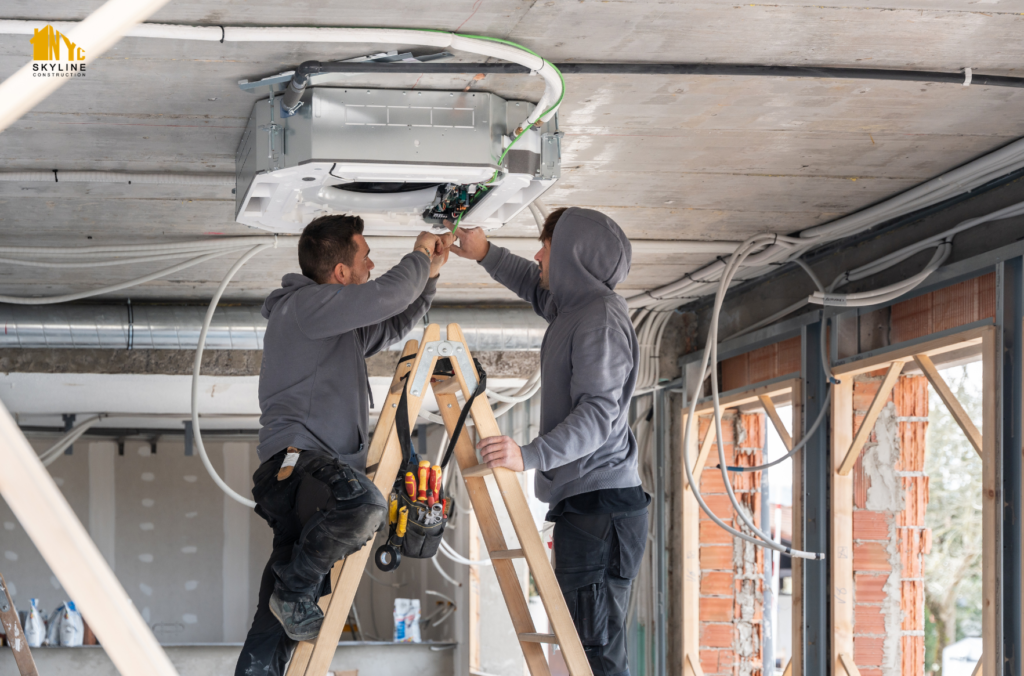
In these cases, contractors are expected to think beyond construction. They’re managing sequencing, anticipating challenges, and making certain that every phase aligns with the bigger picture.
Even in highly specific areas like working with a roofing contractor in Bronx, clients expect more than installation. They want guidance on materials, timelines, weather considerations, and long-term quality.
Is this shift making projects smoother or more complicated?
It depends on how well it’s implemented.
When contractors successfully take on a project management role, the process becomes more streamlined. There’s a single point of accountability, fewer communication gaps, and clearer decision-making.
But if that responsibility isn’t backed by experience, it can create confusion instead of solving it.
The difference lies in approach. A contractor who understands both construction and coordination can bridge the gap between planning and delivery. Without that balance, projects risk becoming fragmented.
What should NYC property owners look for now?
The definition of a “good contractor” is constantly changing.
It’s no longer enough to review craftsmanship alone. Property owners should also consider how a contractor approaches planning, communication, and problem-solving.
A strong contractor today should be able to:
- Anticipate challenges before they impact the project
- Provide realistic timelines instead of optimistic estimates
- Communicate clearly at every stage
- Adapt when unexpected issues arise
These qualities represent a project management mindset, one that’s becoming mandatory in NYC’s construction environment.
Similar Read: Full Gut Renovations: What NYC Contractors Won’t Tell You
Why this shift matters more in NYC than anywhere else
New York City is not a typical construction market.
Space is limited. Regulations are strict. Timelines are sensitive. And every project exists within a broader ecosystem of buildings, neighbors, and city requirements.
In this environment, executing alone isn’t enough. Coordination becomes just as important as construction.
That’s why the line between contractor and project manager is starting to blur. It’s not a trend, it’s a response to the realities of building in NYC.
Why NYC Skyline Construction Approaches Projects Differently
It’s not just about building, it’s about leading the process
At NYC Skyline Construction, the focus isn’t limited to construction alone. The approach is built around understanding the full lifecycle of a project—from the first conversation to final completion.
Through Skyline Construction Services, clients benefit from a structure where planning, coordination, and execution work together rather than separately. This reduces uncertainty and keeps projects aligned from start to finish.
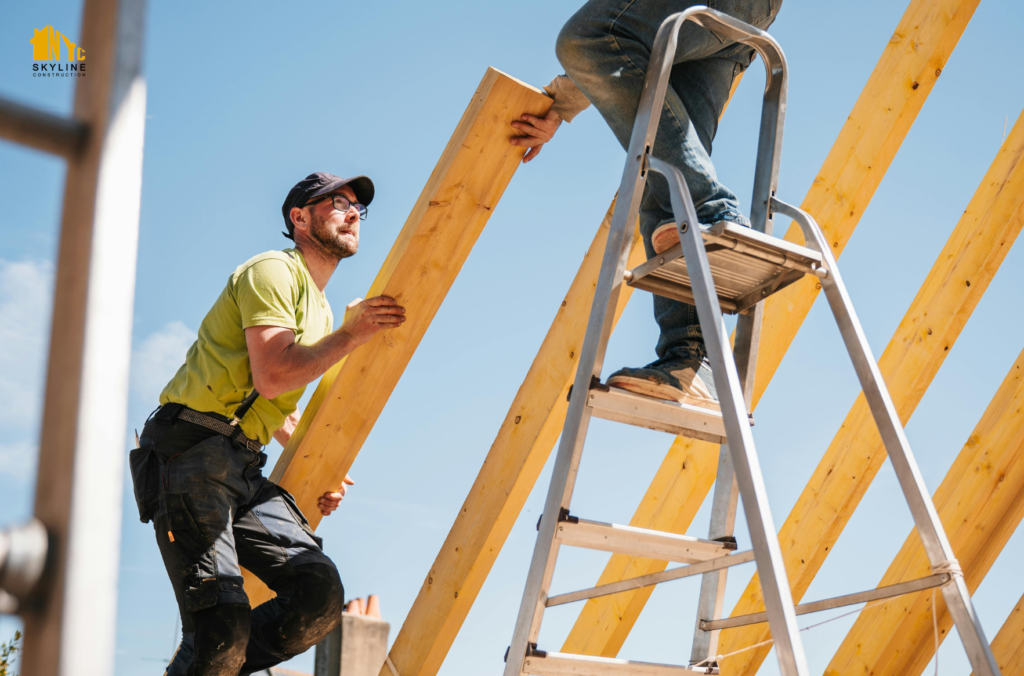
Working between residential and commercial spaces in the Bronx and greater NYC, the team understands how local challenges can impact progress. Instead of reacting to issues, the goal is to anticipate them early and plan accordingly.
For clients, this means fewer surprises, clearer timelines, and a process that feels organized rather than overwhelming.
So, are contractors really becoming project managers?
In many ways, they already have.
The demands of NYC construction have naturally pushed contractors into a broader role, one that goes beyond building and into managing the entire experience.
For property owners, this shift is ultimately a positive one. It streamlines communication, improves coordination, and creates a more structured path from idea to completion.
The key is choosing a contractor who doesn’t just accept this responsibility, but is fully equipped to handle it.